
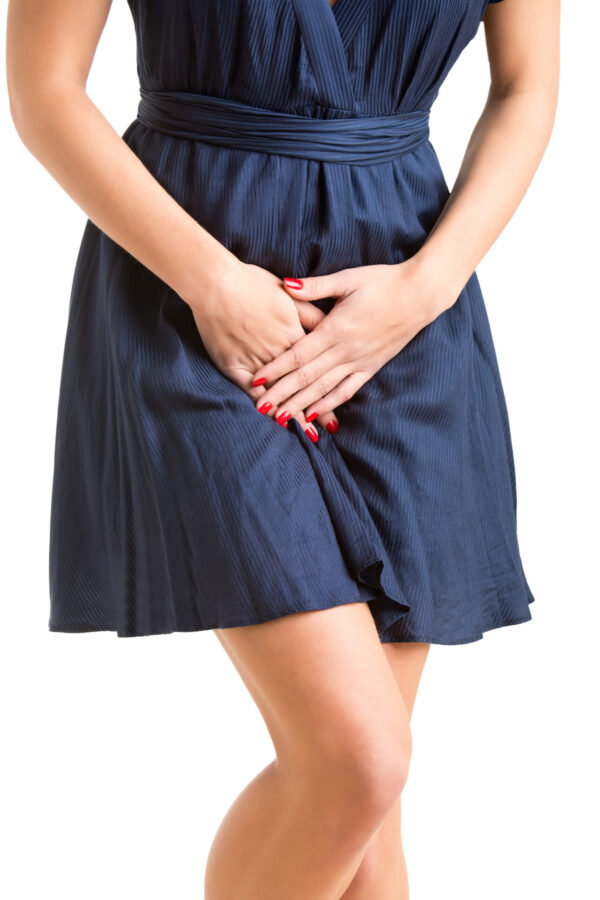
FEMALE INCONTINENCE

Treating and Preventing Urinary incontinence in Women

female incontinence

FEMALE URINARY INCONTINENCE

Urinary incontinence is the accidental release of urine and it is twice as common in women as in men. It is common for the bladder and sphincter muscles to weaken with age and especially if a woman has been through childbirth and menopause. At Blue Ridge Urological, our expert providers are highly experienced in diagnosing and treating female incontinence. This condition can affect more than one in three adult women, but it is treatable.

TYPES OF URINARY INCONTINENCE:

There are three main types of urinary incontinence that women can experience with stress incontinence being the most common type. Types of female incontinence include:

Urine leakage occurs when the bladder is under physical stress such as during physical activity, coughing, laughing or sneezing

A sudden urge to urinate because bladder contracts spontaneously

A rarer cause of incontinence, overflow incontinence may be caused by nervous system problems, chronic health conditions, blockage in the urinary tract or the inability to empty bladder completely

While urinary incontinence can occur at any age, women over the age of 50 are more likely to experience an accidental urine leakage.

CAUSES OF FEMALE URINARY INCONTINENCE

The main cause of urinary incontinence in women is muscle weakness in the pelvic floor and the muscles that control the bladder and sphincter. Pregnancy can cause the pelvic floor muscles to stretch and become weaker. When this happens, there may be inadequate support for the bladder causing it to sag or drop. Other causes of urinary incontinence include certain medications used to treat chronic health problems like high blood pressure, urinary tract infections and hormonal changes brought on by menopause. There are certain risk factors that increase the likelihood of developing female incontinence and they include:

  • Obesity

  • Smoking cigarettes

  • Kidney disease

  • Diabetes

  • Bladder disease

  • Neurological diseases such as Parkinson’s Disease and Multiple Sclerosis

SYMPTOMS OF FEMALE URINARY INCONTINENCE

The main symptom of female incontinence is the involuntary leakage of urine. Stress incontinence is the most common type of urinary leakage in women and may occur when the bladder is placed under stress as with laughing, coughing, sneezing or exercising.

Some additional symptoms of urinary incontinence are:

  • Recurrent bladder infections

  • Changes to normal urinations patterns, increased frequency or urge

  • Weakness in urinary stream

  • Pain during urination

  • Need to rush to restroom to avoid leaking urine

DIAGNOSING AND TREATING FEMALE URINARY INCONTINENCE

At Blue Ridge Urological, we understand that female incontinence is often an embarrassing medical condition that can impact the quality of life for many people. Some women may avoid certain activities and limit social events to minimize embarrassing situations. Our providers are board certified urologists who are compassionate and highly trained in treating female urinary incontinence. Blue Ridge Urological offers both surgical and nonsurgical treatment options for addressing stress incontinence issues.

If you are experiencing symptoms of urinary incontinence, it is important to consult a urologist to determine the root cause of leaking urine. Your doctor will perform a complete examination which will include medical history, physical exam, urinalysis, cough stress tests and possibly a cystoscopy. Your doctor may also want to perform bladder studies or urodynamic testing to determine how well the muscles of your bladder and sphincter are working.

Depending on how frequently you experience urinary incontinence, your doctor may recommend some nonsurgical options for treating stress incontinence. Some non-surgical treatment approaches include:

Bladder training exercises teach patients to follow a urination schedule whether or not the urge to urinate is present. Scheduled urination can help prevent episodes of leaking urine. The goal of behavioral therapy is to gradually increase the time between emptying the bladder and the amount of fluid that the bladder can hold. This technique can diminish the sense of urgency that is often associated with urinary incontinence.

Patients may benefit from eliminating beverages that are known irritants to the bladder such as caffeine, alcohol, carbonated drinks, certain acidic fruit juices and spicy foods. Eating a healthy diet and weight loss can also help prevent bladder leakage.

Kegel exercises can help strengthen pelvic floor muscles to reduce and prevent urinary incontinence. Performing kegel exercises daily help bring awareness to the muscles that control urination and, with practice, you may be able to engage the muscles before you laugh, cough or sneeze to prevent leakage from occurring.

There are medications that can help suppress involuntary muscle contractions surrounding the bladder. These medications help to calm an overactive bladder.

If the nonsurgical approach to urinary incontinence is not effective, there are other procedures that may help to reduce or prevent leakage. Bladder BOTOX® is usually the next step in treating patients who have tried behavioral therapy, medications and pelvic floor rehabilitation. The goal of Bladder BOTOX® therapy is to decrease urinary incontinence and frequency and relieve bladder spasms to restore quality of life for men and women who suffer from overactive bladder or urinary incontinence.

A surgical procedure known as the midurethral synthetic sling or sling procedure can be performed to provide support for stress incontinence. If you are suffering from urinary incontinence, Blue Ridge Urological offers a variety of treatment options in a caring and compassionate environment. Schedule your appointment today at (540) 932-5926.

Frequently Asked Questions

How do you stop urine leakage in old age?

There are various non-surgical treatment approaches to address female incontinence, including behavioral therapies, diet modifications, pelvic muscle rehab, medications, and Bladder Botox. For those who have not responded to non-surgical therapies, a surgical procedure called a mid-urethral synthetic sling may be required.

What is the best treatment for incontinence?

The best treatment option depends on the individual. Our team will work with you to create a personalized urinary incontinence treatment plan for optimal outcomes.

Is there any over-the-counter medicine for female incontinence?

Over-the-counter treatments for female incontinence include products such as pads, liners, and absorbent underwear. More targeted treatments include medications to suppress involuntary muscle contractions surrounding the bladder, which a doctor must prescribe.

Is cranberry juice good for overactive bladder?

Cranberry juice is often recommended for urinary tract health due to its potential to reduce the risk of urinary tract infections (UTIs). However, its effectiveness for overactive bladder (OAB) is not as well established.

What causes an overactive bladder?

An overactive bladder may be caused by various factors such as muscle or nerve issues, infections or conditions, age, and life, or bladder irritants such as foods, beverages, and medications.

What types of female incontinence are there?

Female incontinence is generally categorized into three main types: Stress Incontinence: This occurs when urine leaks during activities that put pressure on the bladder, such as coughing, sneezing, laughing, or exercising. It is often due to weakened pelvic floor muscles. Urge Incontinence: Also known as overactive bladder, this type involves a sudden and intense urge to urinate, often resulting in involuntary leakage. Women may feel a strong need to urinate frequently, even if the bladder is not full. Mixed Incontinence: Many women experience a combination of stress and urge incontinence, leading to symptoms of both types. Understanding the specific type of incontinence is crucial for determining the most effective treatment options.

How is female incontinence diagnosed?

Diagnosing female incontinence typically involves a comprehensive evaluation by a healthcare provider. This process may include a detailed medical history review, physical examination, and urinary diary to track symptoms and patterns. Additional tests, such as urinalysis to check for infections or abnormalities, urodynamic testing to assess bladder function, and pelvic examinations, may be conducted to determine the underlying causes of incontinence and develop an appropriate treatment plan.

Are there lifestyle changes that can help manage female incontinence?

Yes, several lifestyle changes can help manage symptoms of female incontinence. Maintaining a healthy weight can reduce pressure on the bladder and improve control. Regular pelvic floor exercises (Kegel exercises) can strengthen the muscles that support the bladder and urethra. Additionally, avoiding bladder irritants such as caffeine, alcohol, and spicy foods can help minimize symptoms. Establishing a regular bathroom schedule and practicing bladder training techniques can also be beneficial for women experiencing urge incontinence.

Can hormonal changes affect female incontinence?

Yes, hormonal changes can significantly impact female incontinence. During menopause, estrogen levels decline, which can lead to changes in the tissues of the bladder and urethra. This deterioration may contribute to increased urinary urgency and leakage. Women who experience hormonal fluctuations due to pregnancy or menopause may find that their symptoms worsen during these times. Hormone replacement therapy (HRT) may be considered for some women as part of their treatment plan to help alleviate symptoms related to hormonal changes.

What are the potential complications of untreated female incontinence?

Untreated female incontinence can lead to several complications that may affect quality of life. These include social isolation due to embarrassment or fear of leakage during activities, increased risk of urinary tract infections (UTIs), skin irritation or infections from constant moisture exposure, and emotional distress such as anxiety or depression related to the condition. Seeking timely medical advice and treatment can help prevent these complications and improve overall well-being.

REQUEST YOUR

APPOINTMENT TODAY